Today's Contents
Just The Facts:
- EIB to cooperate with Ukraine's SBI to protect its investments from corruption
- Ukraine delays minerals deal with US to let Trump take credit, sources tell NYT
- Dutch top court dismisses Russia's appeal in Naftogaz arbitration case
- Norway to support Ukrainian Navy with additional NOK 2.6 billion funding
- Responsible Statecraft: Europe is silencing dissent on Ukraine war
Here's What They Think:
- FPRI: Non-military sources of Russia's power must be eliminated
- National Post: Ukraine doesn't need another guarantee of its territorial integrity
- New York Times: 4 scenarios for end of war in Ukraine
Sober Second Thought:
- Moving towards market-based land valuation is vital for Ukraine's reconstruction, World Bank study finds

Dear subscribers,
As we head into the holiday season, we wanted to give our premium subscribers a heads up: We won't be publishing the week of Christmas and the week of New Year's, as both holidays fall mid-week. That means our last edition of 2024 will be this coming Friday, Dec 2o, and our first edition of 2025 will be Monday, Jan 6.
We expect a quiet time on the reconstruction front during that period, but we will be watching closely and will send any urgent updates as a newsletter - we just won't be adhering to our regular posting schedule. We will also keep the website updated, as warranted.
We have lots of changes planned for the New Year, adding new staff and beefing up our coverage in multiple directions. Thank you for bearing with us in the early months of the newsletter, and Merry Christmas, Happy New Year and Happy Holidays.
The URN Team

EIB to cooperate with Ukraine's SBI to protect its investments from corruption
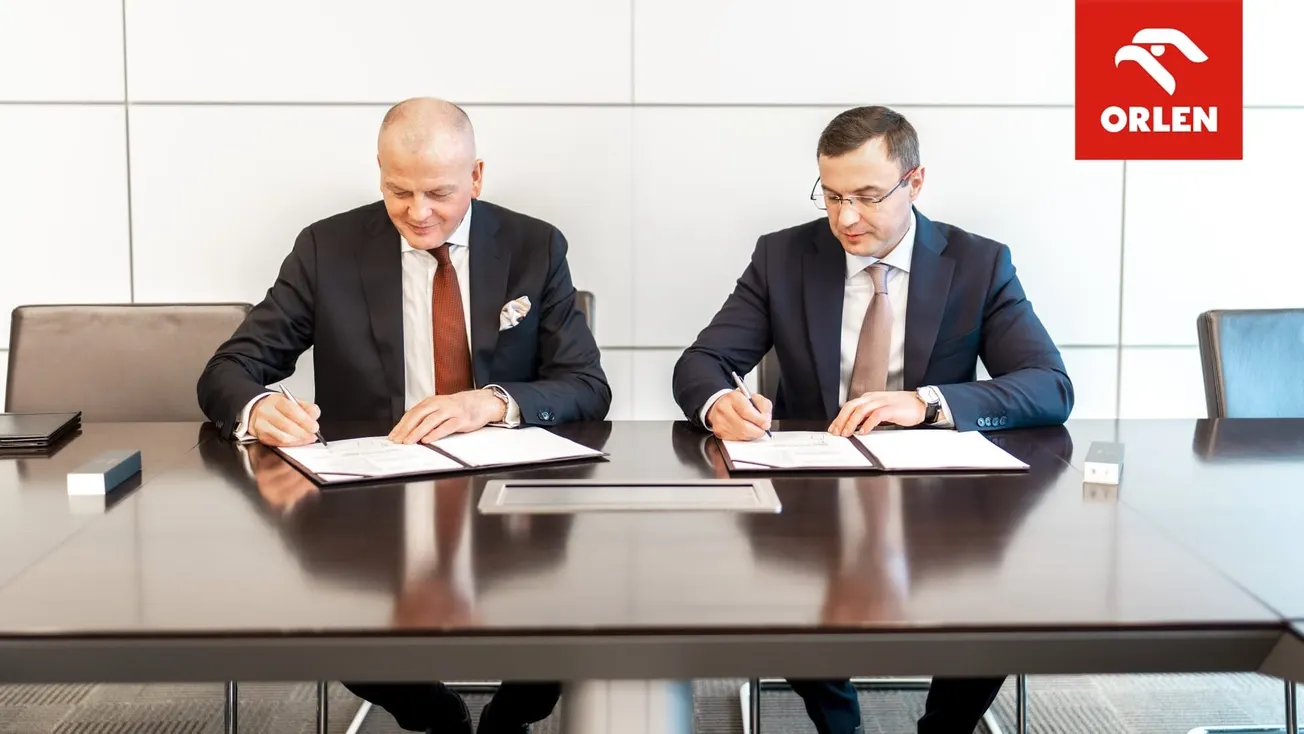
The European Investment Bank (EIB) said it has signed a memorandum of understanding (MoU) with Ukraine's State Bureau of Investigation (SBI) to protect its investments in the country from fraud and corruption.
The MoU envisages enhanced information sharing and joint investigations between the EIB and SBI and introduces stronger measures to combat financial misconduct.
The agreement also creates a framework for cooperation aimed at promoting transparency, accountability, and ethical practices, and ensures that EU-backed investments directly support Ukraine's recovery and development, the EU bank said in a press release on Friday.
"Since Russia's invasion of Ukraine in February 2022, the EIB has provided more than €2 billion to support Ukraine's urgent needs. Over the coming years, the EU bank plans to provide at least €2 billion more through the Ukraine Facility for critical public- and private-sector projects," said EIB Vice-President Teresa Czerwińska, who is in charge of the bank's operations in Ukraine.
"Ensuring this financial support directly benefits the people of Ukraine and is safeguarded against fraud and corruption is crucial," Czerwińska added.
Founded in 2016, the SBI investigates criminal proceedings involving law enforcement officers, judges, and high-ranking officials.
The EIB already has partnerships with other Ukrainian law enforcement agencies, including the National Anti-Corruption Bureau of Ukraine (NABU), the Economic Security Bureau of Ukraine (ESBU), and the Prosecutor General's Office, as per the statement.
Ukraine delays minerals deal with US to let Trump take credit, sources tell NYT
The Ukrainian authorities have postponed signing an agreement to cooperate on extracting and processing minerals with the US to let the incoming Donald Trump administration take the credit for the deal, the New York Times reported, citing unnamed officials from both countries.
The signing of the agreement, initially planned with the Biden administration, was postponed twice, according to the sources.
Ukrainian officials and business leaders have sought to align with Trump's transactional mindset, emphasizing the country's wealth of natural resources that could benefit US industries he aims to strengthen, the New York Times reported.
"This war is about money," US Senator Lindsey Graham, Republican of South Carolina and a Trump ally, told Fox News last month, as quoted by the New York Times. "So Donald Trump’s going to do a deal to get our money back, to enrich ourselves with rare earth minerals. A good deal for Ukraine and us, and he's going to bring peace."
Ukraine holds deposits of 20 critical minerals, including cobalt and graphite, with reserves estimated at up to $11.5 trillion, the report said, citing a report by Ukraine's private equity firm Horizon Capital. It also contains a third of Europe's proven lithium reserves, a crucial material for rechargeable batteries, which could attract interest from Trump ally Elon Musk's electric car business.
Dutch top court dismisses Russia's appeal in Naftogaz arbitration case
The Supreme Court of the Kingdom of the Netherlands dismissed Russia's appeal seeking to overturn a partial award granted by the Hague arbitration court to Ukraine's state-owned oil and gas company, Naftogaz, regarding compensation for damages caused by Russia's seizure of Naftogaz assets in Crimea in 2014.
"The decision of the Supreme Court strengthens the position of Naftogaz Group in enforcement proceedings to recover the debt owed by Russia for the illegal seizure of assets in Crimea," said Roman Chumak, acting chairman of Naftogaz's executive board.
In the partial award from 2019, the Hague arbitration tribunal confirmed its jurisdiction over the arbitration proceedings and ruled that Russia had expropriated Naftogaz Group's assets in Crimea, violating the provisions of the intergovernmental agreement between Ukraine and Russia on the promotion and mutual protection of investments, Naftogaz said in a press release on Friday.
In 2022, the Hague appeals court dismissed Russia's application to annul the partial award. The Dutch supreme court upheld the decisions of both the arbitral tribunal and the appeals court, agreeing that the tribunal's jurisdiction applies exclusively to investments made after January 1, 1992.
In 2023, the Hague arbitration tribunal ruled Russia must pay Naftogaz $5 billion for losses caused by the seizure of assets in Crimea.
In October, Naftogaz said that a district court in Helsinki ordered the freezing of some Russian assets in Finland, including real estate and other assets, acting on the ruling from the Hague arbitration tribunal at Naftogaz's request.
Norway to support Ukrainian Navy with additional NOK 2.6 billion funding
Norway will support the Ukrainian Navy with an additional NOK 2.6 billion ($242.2 million) funding under the country's Nansen Support Programme for Ukraine.
The government of Norway has previously provided NOK 100 million for maritime training and other measures.
The additional funding includes donations from the Norwegian Armed Forces, as well as military equipment to be procured for donation. Part of the fund will provide systems for de-mining operations, the government said in a press release.
"It is essential to protect the Ukrainian population and Ukrainian infrastructure from attacks by Russia’s Black Sea Fleet," said Norwegian Prime Minister Jonas Gahr Støre. "It is also important to protect exports by sea of grain and other products, which generate crucial revenues for Ukraine."
Commenting on mine clearance operations, Norwegian Minister of Defence Bjorn Arild Gram said: "Mines pose a significant threat to maritime security and safe passage in the Black Sea, and mine clearance operations are very difficult. he systems we are providing will enhance the ability of Ukrainian forces to detect and defuse mines along their coastline."
Outside navy support, Norway has recently allocated $105 million to the United Nations Development Programme (UNDP) to support the agency's effort to restore Ukraine's energy, as well as announced plans to establish a "business presence" in Kyiv to support Norwegian companies looking to take part in the reconstruction of Ukraine.
Norway has also recently partnered with Germany to launch a €2 million grant program to support energy sustainability of Ukrainian micro and small businesses.
Longer Reads
Responsible Statecraft: Europe is silencing dissent on Ukraine war
The war between Russia and Ukraine has been framed by Western politicians and commentators as part of a larger global struggle between democracies and autocracies. This narrowing of debate and the suppression of dissenting perspectives have, paradoxically, undermined democratic principles, particularly concerning critical questions of war and peace, foreign policy expert Eldar Mamedov wrote in an analysis for the Responsible Statecraft.
The dominant narrative advocates for Ukraine's total victory and Russia's absolute defeat, goals often defined in maximalist and unrealistic terms. This approach has systematically marginalized more thoughtful, nuanced voices that call for negotiations or highlight the complexities of the conflict, Mamedov argued.
Academics and experts who predicted the current quagmire have faced significant backlash. Respected scholars who argued for caution or diplomacy have been smeared as Kremlin apologists, facing harassment and exclusion, Mamedov wrote. In Europe, the suppression of these voices has been particularly stark, with foreign policy debates often echoing Washington's most hawkish perspectives rather than fostering independent, critical thought.
In the US, however, the situation is more mixed. While pro-militarist think tanks like the Atlantic Council and neoconservative pundits dominate the discourse, there is still room for alternative views. Institutions like the CATO Institute, Defense Priorities, and publications such as The Nation and The American Conservative provide counterpoints, with scholars like Stephen Walt, John Mearsheimer, and Jeffrey Sachs continuing to advocate for diplomacy.
By contrast, Europe has struggled to maintain such a balance. Sweden's swift decision to join NATO after Russia's invasion of Ukraine exemplifies this trend, according to Mamedov. As Swedish international relations scholar Frida Stranne noted, no meaningful debate occurred about whether Russia's actions posed an immediate security threat to Sweden—despite the country's history of neutrality, even during the Cold War. Stranne's attempts to highlight the precedent set by US interventions since 2001, such as the Iraq invasion, were met with hostility. Media outlets vilified her as a "Putinist," effectively silencing her in public and academic circles.
Germany is another telling example of enforced conformity in foreign policy discussions. Once known for its Ostpolitik, a pragmatic engagement policy with Russia, Germany's debate has been radically redefined by hawkish think tanks, politicians, and media voices. Foreign policy expert Johannes Varwick faced significant backlash for advocating diplomacy and caution. In December 2021, Varwick and other high-ranking figures warned that escalating tensions with Russia could lead to war. Yet his efforts earned accusations of serving Russian interests, leading to severed ties with political and policy circles.
Neutral countries have not been spared this pattern of marginalization. In Austria, Professor Gerhard Mangott faced ostracism for suggesting shared responsibility between Russia, Ukraine, and the West for the failure to resolve post-2014 tensions peacefully. Mangott described how the German-speaking academic community shifted into political activism, abandoning scholarly neutrality and critical analysis.
The irony is that many of these suppressed voices have proven correct in their analyses, Mamedov wrote. Varwick, for instance, has consistently argued for a negotiated settlement to prevent a larger escalation. He proposed a realistic framework involving Ukraine's neutrality with strong security guarantees, temporary territorial compromises, and conditional sanctions relief for Russia.
Fast forward to the present, and the realities on the battlefield have begun to vindicate these calls for negotiation. Ukraine's President Volodymyr Zelensky is now signaling openness to territorial compromises to avoid further losses. Meanwhile, Western sanctions have failed to cripple Russia's economy or change its behavior as intended, challenging earlier assumptions of success.
The political winds in the West are shifting, Mamedov argued. In the US, the election of Donald Trump and the rise of anti-war sentiment reflect growing calls for diplomacy. In Europe, anti-war parties in Germany, France, and other countries are gaining ground, while public opinion polls consistently show a majority preference for a negotiated resolution to the war.
Western societies must begin by listening to the voices of experts who have demonstrated sound judgment and accurate analysis, rather than marginalizing them. Only through such discourse can the West reclaim its democratic integrity in an increasingly complex and dangerous world, Mamedov noted.

FPRI: Non-military sources of Russia's power must be eliminated
While NATO urgently needs to rearm itself and Ukraine, it is equally critical to weaken Russia's non-military sources of power by integrating Ukraine and eventually Belarus into the EU or NATO and accelerating the transition to a greener, energy-independent economy across the West, Stephen J. Blank, a senior fellow at the Foreign Policy Research Institute, wrote in an analysis.
National Post: Ukraine doesn't need another guarantee of its territorial integrity
Ukraine does not need another international guarantee of its territorial integrity, such as the Budapest Memorandum, as it is obvious Russia would not hold to its promises to respect Ukraine's sovereignty making credible military guarantees necessary, the National Post columnist Raymond J. de Souza wrote in an op-ed.
New York Times: 4 scenarios for end of war in Ukraine
Pressured by military and economic challenges, Ukraine's government faces growing support for a negotiated end to war, according to an op-ed published by the New York Times. The author outlines four potential postwar security scenarios for Ukraine, including NATO membership, a US-backed coalition, a Europe-led protection plan, or a model of armed neutrality.

Moving towards market-based land valuation is vital for Ukraine's reconstruction, World Bank study finds
A shift from administrative to market-based agricultural land valuation could improve Ukraine's financial markets, credit access, and local government revenue, according to a study by the World Bank Research Group.
Ukraine has historically determined rural land valuation using Soviet-era normative monetary value (NMV). Since gaining independence in 1991, the country has been gradually developing legal and institutional frameworks to move towards a land market that would enable more flexible, market-driven land valuation methods.
The study analyzed 160,000 transactions completed between June 2021 and July 2024 to determine an estimate of the hedonic valuation model. The researchers withdrew the data from Ukraine's centralized property and land registries, including parcel size, soil quality, and distance from key infrastructure, such as roads, railways, and grain storage facilities.

The findings reveal disparities between Ukraine's NMV and the predicted market value for agricultural land. The mean for the predicted price is 25% higher than the NMV, however, the study noted regional discrepancies depending on proximity to the conflict.
According to the researchers, land prices in Ukraine's eastern and southern regions are close to or below NMV due to the conflict. In the western region, predicted prices are 80% higher than NMV, reflecting strong market demand. In the center and north of Ukraine, the predicted prices are higher by 22.9% and 24.8% respectively.
The study revealed a gap that could be addressed by shifting to market-based valuations. The shift could impact local government revenues, as they are reliant on land-based taxes for funding. Moreover, a transparent, market-based valuation could ensure fairness and boost local fiscal capacity.
Market-based valuation could also impact financial markets, as proper land pricing would facilitate the use of land as collateral for loans, which would in turn enhance access to credit. This measure could be vital for Ukraine's post-war reconstruction, as accurate pricing could support borrowing in areas where land values rise.
The World Bank researchers' recommendations for Ukrainian policymakers include amending the valuation and tax codes to support the transition from NMV to market-based valuation. The study called for the gradual integration of non-agricultural urban land into the valuation model, supported by the establishment of a single unified land registry.
The shift towards market-based land valuation, coupled with developing an advanced digital infrastructure for a unified registry, represents an opportunity for Ukraine's path towards economic growth. By conducting legislative and economic reforms, Ukraine could strengthen its ability to attract investment, stimulate local economic activity, and establish a decentralized system of governance.
Moving towards this new system will be crucial in restoring economic stability and accelerating Ukraine's recovery from the war's impacts, according to the researchers.

NATO in Ukraine published a social media post summarising the achievements of a two-year aid program meant to bolster Ukraine's cyber defense capabilities, including the training of 140 specialists.
The Ukraine Bureau of Investment Programs (BIP), an advisory for investors in industrial parks, promoted an article by managing partner Oleksandr Bondarenko explaining his views on what needs to be done to support Ukraine's economy amid war.
Maksym Sysoiev, a partner in Ukraine and global law firm Denton's, recapped his presentation at the Kongres Biogaz in Warsaw on "the vast potential of Ukraine’s biogas and biomethane sector."
Edem Adamov, Ukraine's deputy minister of health, recapped a presentation he made at a World Health Organization roundtable "focused on attracting investments for the transformation of Ukraine's healthcare network."
Andrii Sybiha, Ukraine's foreign minister, said in a post on social media it is time to move on from "freezing to seizing" of immobilized Russian assets to support Ukraine's "defense, resiliency, and recovery."

URN Daily: Sense Bank and Ukrgasbank for sale? And US seeks to cancel $4.7 billion of Ukraine's debt