
Ukraine Rebuild Newswire Staff, Sept 8, 2023
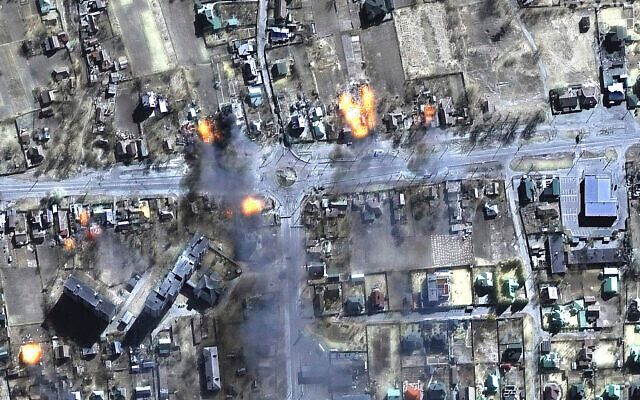
A drone survey of Ukraine’s Chernihiv Oblast, one of the region’s heaviest hit in the ongoing war, shows about 10% of the infrastructure has been destroyed or damaged, the United Nations Development Programme said.
The damage and destruction includes 300 “social infrastructure facilities” such as hospitals, schools, social protection facilities, culture and sports venues, the UNDP said in a press release issued to announce the launch of a 2 million euro ($2.14 million) Latvian government program to help rebuild such infrastructure in the region.
The UNDP offered no further details of the drone survey, but said Chernihiv Oblast is one of the regions most heavily hit by the Russian invasion of Ukraine. A world bank survey published in February estimated the damage to the Cerhnihiv region, in the north of Ukraine roughly between Kyiv and the border with Belarus, at about $1.8 billion in damage at that time.
The $2 million from Latvia “will be used to restore at least five major education and healthcare infrastructure facilities,” Latvian Ambassador to Ukraine Ilgvars Kļava said. “The project's restoration will be guided by the ‘Build Back Better’ framework to help ensure the facilities and infrastructure are rebuilt with greater resilience, are more sustainable and meet elevated standards for safety and accessibility.”


