The following snippets are from panels, speeches, off-the-cuff remarks and Q&A sessions during the weeks' events at Davos from Jan 19-23. In most cases, the remarks were made in passing, while discussing other events, so they were overlooked by attendees and the media.
IFC could cooperate with EBRD on Ukraine nuclear, Diop says
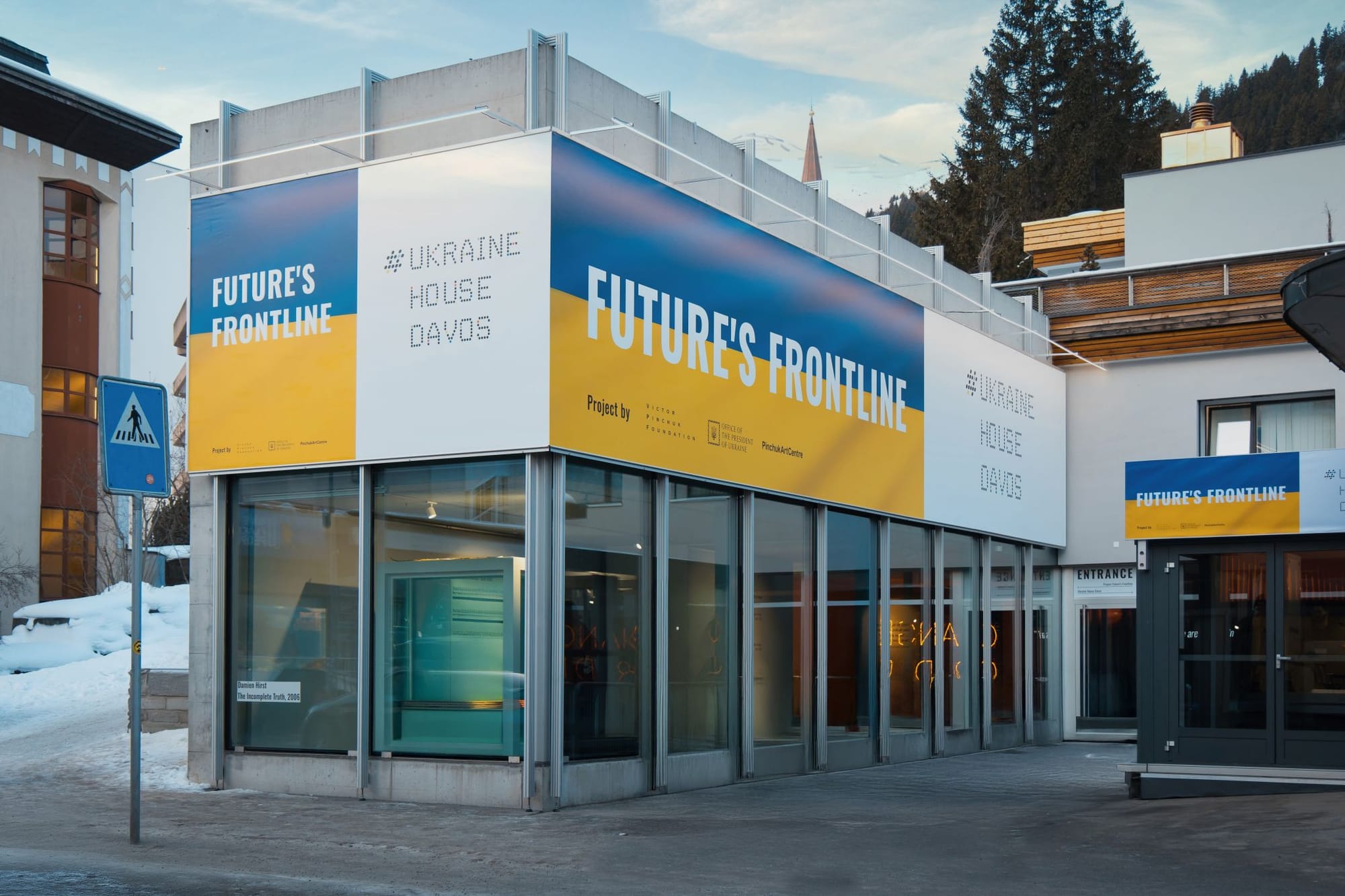
During the energy panel at Ukraine House Davos, representatives of the World Bank Group said the institution has approved a policy change that allows engagement on nuclear-related issues in Ukraine, without announcing specific projects.
Makhtar Diop said the shift was recent and board-approved, stating: “This year, our board has confirmed that you can engage on the nuclear side, which is something that we were not doing in the past.”
Addressing Matteo Patrone of the European Bank for Reconstruction and Development, Diop added that the change could enable closer coordination, saying “we might continue our cooperation also on this area.”
Private capital could account for 75% of Ukraine’s energy reconstruction
Private-sector investment could account for around 75% of the reconstruction of Ukraine’s energy sector, according to the World Bank Group. Speaking at Ukraine House Davos, Makhtar Diop said World Bank estimates distinguish energy from other reconstruction sectors, where public funding is expected to play a larger role.
Diop contrasted energy with broader reconstruction frameworks often described as one-third public, one-third private, and one-third multilateral, noting that “in the energy sector, we talk about 75% of the private sector.” He said this reflects the relative bankability of energy assets, including generation, grids, and storage, and underscores the role private investors are expected to play alongside international financial institutions in rebuilding Ukraine’s power system.
Investment in Ukraine's defense sector to jump 10-fold to more than $1 billion in 2026, Kamyshin says
Ukraine expects investment in its defence sector to jump 10-fold this year, and already has a single deal worth $700 million in the pipeline, according to presidential adviser Oleksandr Kamyshin.
Speaking during a panel at Ukraine House Davos on technology and defence partnerships, Kamyshin said that total disclosed private deals in Ukraine’s defence and defence-technology sector amounted to “about $105 million last year,” reflecting what he characterised as an early-stage investment market dominated by smaller venture transactions. He said that dynamic has since shifted markedly.
“This year, we already have one deal of more than $700 million,” Kamyshin told the audience, without naming the transaction. He added that the pace and size of investment are continuing to accelerate, saying “we expect more than $1 billion in deals” in 2026.
UMAEF expands presence in Ukraine; plans new deals by mid-2026
The Ukraine-Moldova American Enterprise Fund is expanding its presence in Ukraine and preparing equity and quasi-equity investments of $3 million to $6 million, with deals expected in the first half of 2026, its chairman said.
Speaking at Ukraine House Davos on Jan 20, Dennis A. Johnson said the fund has added staff on the ground and launched a dedicated Ukraine investment program modeled on UMAEF’s early approach from the 1990s and 2000s.
He said the fund’s primary focus is food production and fast-moving consumer goods manufacturing, where Ukrainian companies have expanded during the war by filling gaps left by destroyed facilities in the east or by foreign suppliers exiting the market.
He added that UMAEF is in discussions with several companies and expects to invest within months, targeting hard-asset, manufacturing businesses rather than speculative ventures, as international investors increasingly look to deploy capital in Ukraine ahead of a formal end to hostilities.