
The Rebuild
What is being done, what needs doing, and who's doing it.

Mismatch of workers and capital may explain half of Ukraine’s wartime output loss, researchers say
War has lowered Ukraine’s economic output not only by destroying factories and removing labor, but also by disrupting how the remaining workers and productive assets are matched with the companies that can best use them, a new study finds. Basic growth accounting suggests that roughly half of Ukraine’s

Exclusive: EIB says stronger implementation capacity is key to accelerating projects in Ukraine
Ukraine needs stronger capacity to prepare and implement projects to accelerate the deployment of reconstruction financing, said a senior European Investment Bank official. “Public sector capabilities still need to grow,” Matteo Rivellini, head of the EIB’s Ukraine Investment Team, told Ukraine Rebuild Newswire. “We have, let's say,

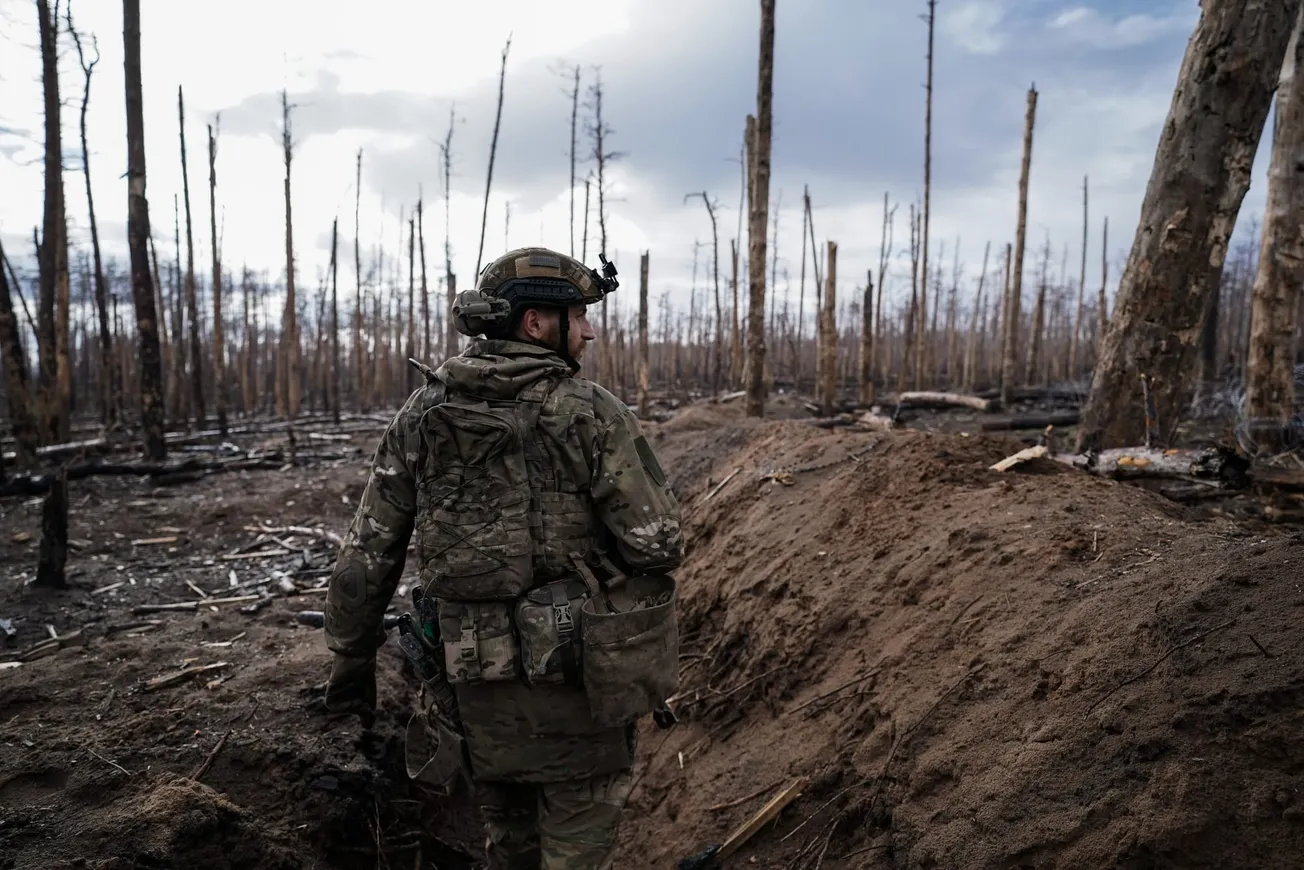
War-burned Ukraine forests may pose reconstruction challenge, study finds
War-damaged pine forests in eastern Ukraine are showing little natural regeneration, potentially complicating the long-term restoration of landscapes already affected by drought, repeated fires and landmines, according to a new study. Researchers examining 29 burned pine stands around the city of Izium in Kharkiv Oblast found natural tree
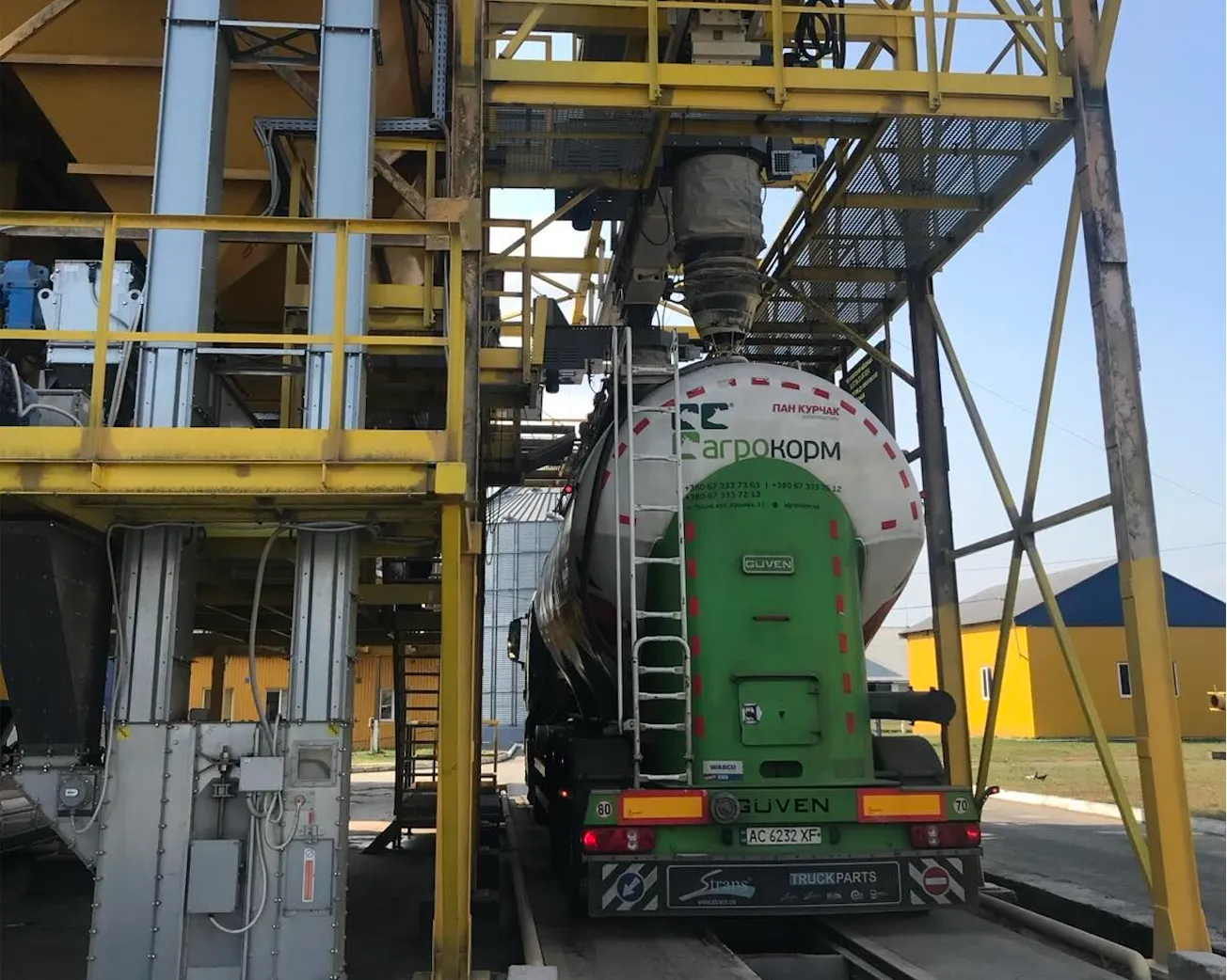


War in Ukraine moves materials on scale of global cement trade, study finds
Russia’s war in Ukraine is mobilising industrial materials on a scale comparable with major commodity markets, placing heavy demands on some of the same supply chains critical to the country’s reconstruction, according to a new study. The researchers estimate that the war can mobilise 8 million to 10


Ukraine’s next critical minerals opportunity may already be above ground
By Iryna Fedets, URN Correspondent Mountains of red mud, mine tailings, coal ash and metallurgical slag sprawl across Ukraine’s old industrial regions, the residue of decades of mining, metals production and Soviet-era heavy industry. Piled into dumps and tailings facilities and long treated as an environmental burden, that