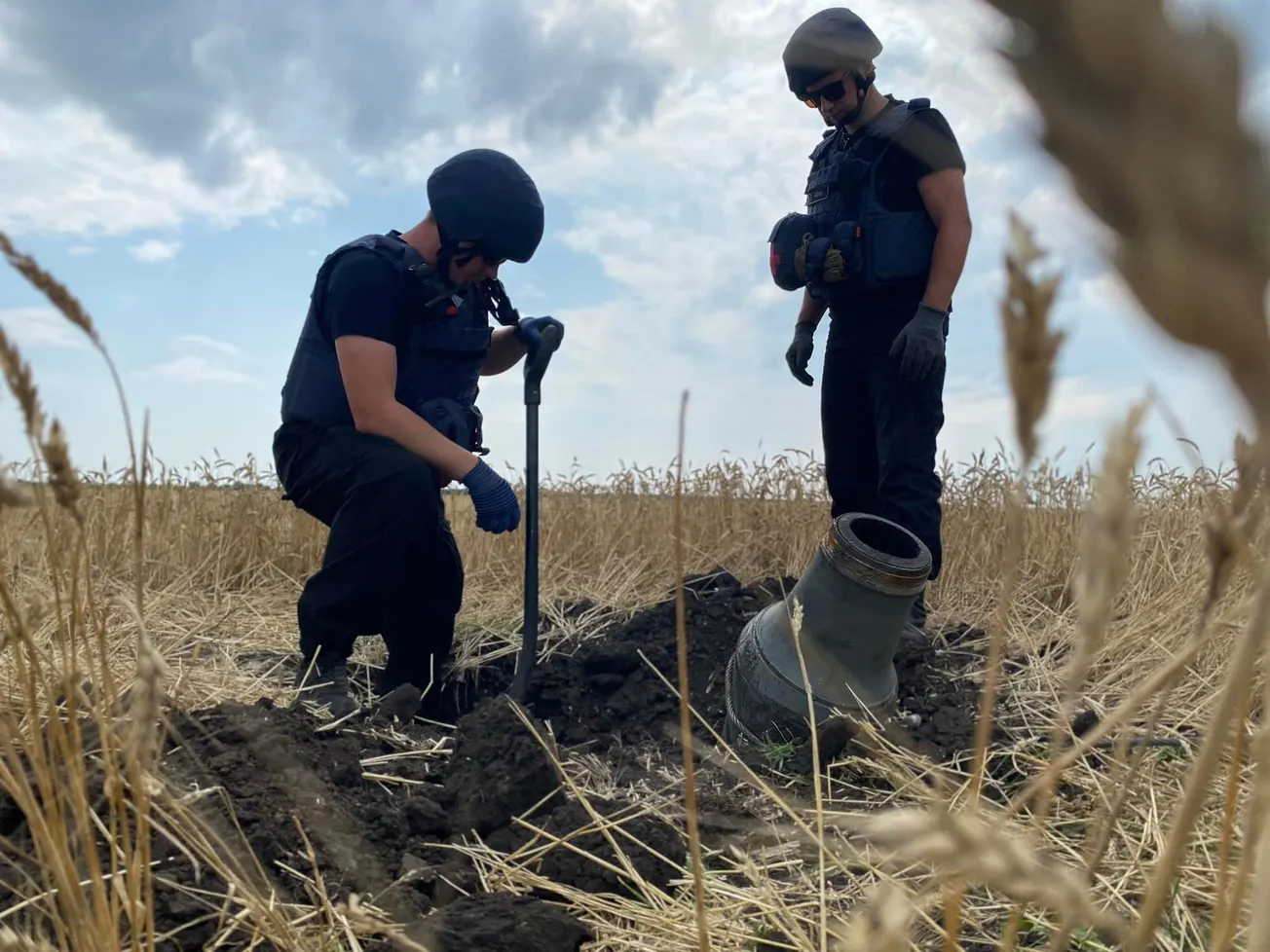

European buyers of artillery shells made in India have been transferring the ammunition to Ukraine with no intervention from New Delhi despite protests from Russia, Reuters reported on Thursday, citing unnamed Indian and European government and defense industry officials, as well as its analysis of commercially available customs data.
According to the sources and customs data, the transfer of the ammunition to Ukraine has been occurring for over a year, the news agency said. Indian arms export regulations strictly mandate that the exported weaponry be used only by the declared purchaser. Any unauthorized transfer could lead to the suspension of future arms sales.
Italy and the Czech Republic are reportedly among the European countries sending Indian munitions to Ukraine, which faces a dire shortage of artillery shells on the frontlines with Russia.
Commercial customs records indicate that, in the two years prior to Russia's February 2022 invasion of Ukraine, three leading Indian ammunition manufacturers — Yantra, Munitions India, and Kalyani Strategic Systems — exported only $2.8 million worth of munitions components. These exports were primarily sent to Italy, the Czech Republic, Spain and Slovenia.
Between February 2022 and July 2024, Indian exports of munitions surged to $135.25 million, the customs data showed. This sharp increase includes fully assembled munitions, which India began exporting to the same four nations that had previously received only components.
The Kremlin has raised the issue on at least two occasions, including during a July meeting between Russian Foreign Minister Sergei Lavrov and his Indian counterpart, the sources said.