The European Commission has discussed in Norway the idea of replicating an EBRD-led war-risk insurance model beyond cargo, with the aim of supporting factories, warehouses and production lines in Ukraine, an EC official said.
Speaking at a joint seminar hosted by Norwegian state development agency Norad and the Commission on Jan 23, Lukáš Veselý, an official working on the EU’s Ukraine Investment Framework, said talks with Norwegian officials included adapting the EBRD-operated plan that insures goods during transport to include fixed assets.
“We have contributed to one scheme operated by the European Bank for Reconstruction and Development, which focuses on insuring goods – insuring cargo during transport,” Veselý said. “But we have also discussed this with Norwegian colleagues yesterday and today. We will still work on trying to replicate this scheme, also just for investments in production lines, insuring factories and warehouses.”
From trade to investment protection
The existing EBRD-supported war-risk insurance facility was designed to restore trade and logistics flows by enabling commercial insurers to provide cover for cargo moving in and out of Ukraine, backed by donor and multilateral risk-sharing.
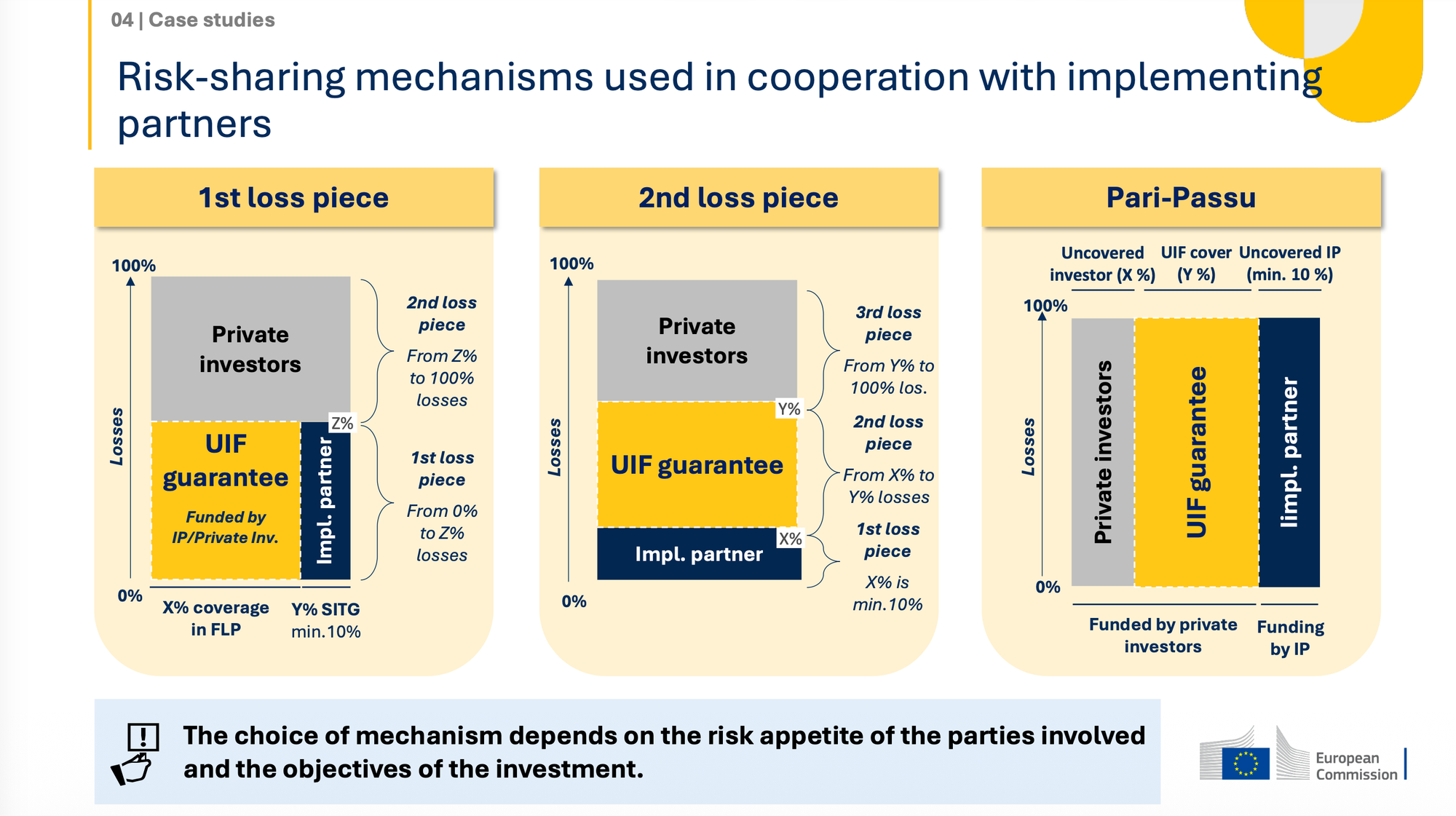
According to Veselý, the Commission and its partners are now exploring how the same risk-sharing logic could be applied to on-the-ground capital investments, where private equity participation remains constrained by the risk of physical destruction.
“Indeed, the individual company that brings some equity for a project needs to be protected against the risk of war damage,” he said. “So we are trying.”
War-damage cover linked to existing programs
At the same webinar, Veselý said the Commission is introducing limited war-damage cover within some existing guarantee programs, attaching it to investment guarantees provided through partner institutions.
"In some of our programs ... we are introducing a war-damage cover product," he said. “If there is debt that the company took, and then there is a strike by a rocket and the whole facility is destroyed, then there would be a forgiveness of the debt – and this is known in advance.”
“So basically, then the company has a bit more confidence in making the investment decision in the beginning.”
Crowd-in private capital
The discussions in Norway reflect a broader effort to crowd in private capital by reducing uninsurable war-related risks, particularly for manufacturing, logistics and other real-economy investments critical to Ukraine’s recovery.
Veselý acknowledged that such tools could have been introduced earlier, but he said they are now becoming an integral part of the EU’s investment-support architecture for Ukraine.
“Okay, we should have probably done this much earlier,” he said. “But that’s where we are.”
For the slide deck presented by Lukáš Veselý, download the file below
For the audio and a full AI-generated transcript of the meeting, click this link.
Metadata
- Title: Ukrainian Investment Framework (UIF) and the Reconstruction of Ukraine
- Organisers: Norad; Nansen Programme for Ukraine
- Lead Presenter: European Commission (DG ENEST)
- Date & Time: Friday, 23 January 2026 · 10:30–12:30 (CET)
- Format: Hybrid (in-person at Norad offices, Oslo + online stream)
- Audience: IFIs, donor agencies, private sector participants, Ukraine-focused investors and advisers
- Focus Areas: UIF instruments; guarantees and blended finance; risk-sharing (incl. war-risk insurance); private-sector mobilisation